Trending

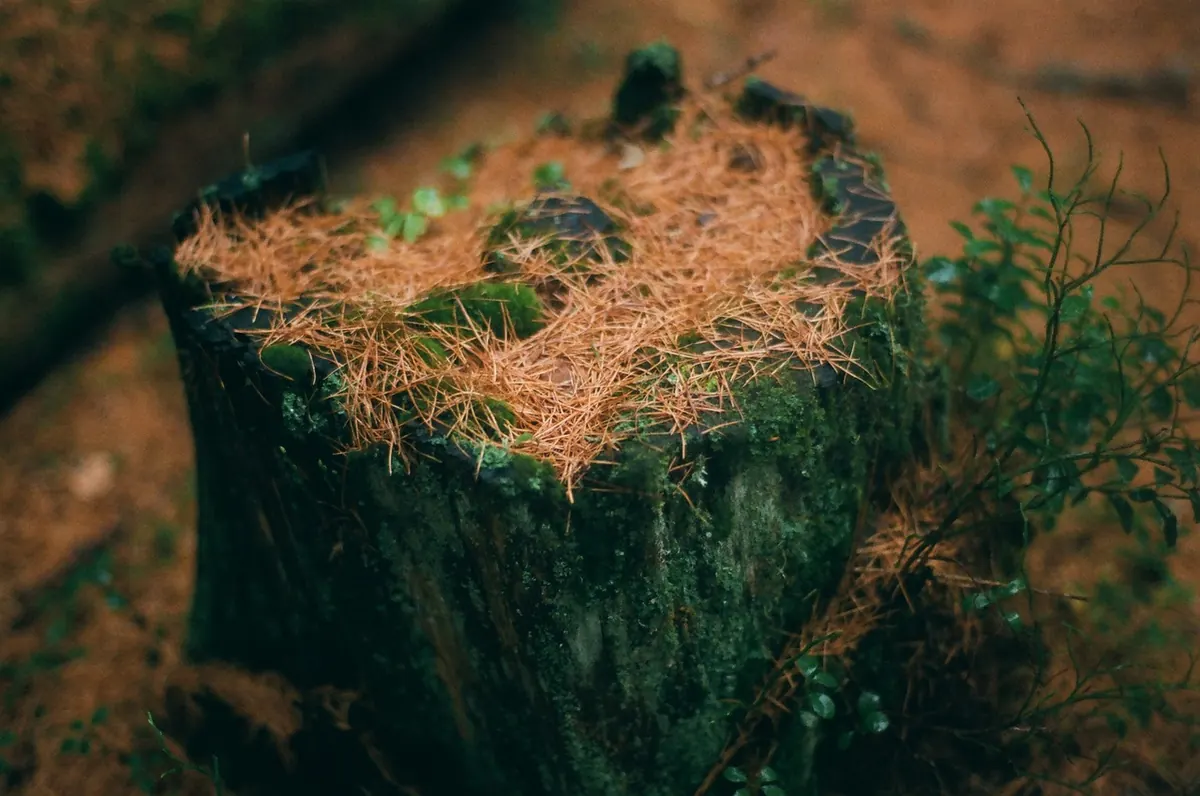
Every autumn, something remarkable happens to a larch. Its soft green needles turn a warm gold, then fall, leaving the branches bare for winter. If you have just noticed this for the first time, it can look alarming. A conifer shedding its foliage? Surely something is wrong. In fact, for larch, this is entirely normal. The trick is knowing when the drop is part of the tree's natural rhythm—and when it signals pests, disease or stress.
Larch is a deciduous conifer. Unlike pines, spruces and firs, it does not keep its needles through winter. In the UK, the change usually begins in late September or October. Needles shift from green to yellow, then gold, sometimes with a hint of orange. Over a few weeks, they loosen and fall. By November, the tree is bare. The branches remain, dotted with small woody pegs where the needles were attached. In spring, new needles emerge—bright, soft and green. This cycle is a sign of health. A larch that keeps its needles through winter is more likely to have a problem than one that drops them.
Not all needle loss is seasonal. If your larch is shedding needles in spring or summer, or if the needles fall while still green, that is a red flag. So is a tree that drops its needles in autumn but fails to produce new ones the following spring. Look at the pattern. A normal drop affects the whole canopy fairly evenly. Problem drops are often patchy: one side, the top, the inner branches, or scattered sections. Other symptoms—sticky residue, webbing, spots, cankers, resin—point away from normal seasonal behaviour.
Several pests target larch, especially when the tree is already stressed.
Small moth larvae mine into needles, causing them to brown and drop in spring or early summer. Look for tiny, cigar-shaped cases attached to needles or twigs.
These sap-sucking insects cause needles to curl, yellow and fall. They excrete honeydew, a sticky substance that can lead to sooty mould. You may see white waxy fluff on twigs.
Sawfly larvae eat needles from the edges, sometimes stripping whole branches. They look like caterpillars but often feed in groups.
Tiny mites thrive in hot, dry conditions. They cause fine webbing and speckled, bronzed needles that drop prematurely.
To check for pests, hold a white sheet of paper under a branch and shake it. Tiny insects or mites will fall onto the paper. Inspect the undersides of needles with a hand lens. Encourage natural predators such as birds, ladybirds and lacewings. Avoid broad-spectrum insecticides, which kill beneficial insects as well as pests. If an infestation is severe, consult a qualified arborist.
Fungal diseases can also cause needle loss. Larch canker is the most serious. It causes sunken, resinous lesions on branches and trunks, dieback and needle drop. Needle blight produces brown spots or bands, leading to premature drop in wet summers. Rusts show as orange or yellow pustules on needles, often in spring. Root rot, caused by waterlogging, leads to thin canopies, yellowing and dieback. If you see cankers, resin, or dieback, seek advice from an arborist or the RHS. Some diseases require laboratory confirmation.
Larch grows best in moist, well-drained soil and full sun. When conditions are wrong, it sheds needles as a survival response.
Dry spells, especially in summer, can cause needle drop. Young trees are most vulnerable. Water deeply during dry weather, but avoid waterlogging.
Soggy roots suffocate. Needles yellow, then drop. Improve drainage or plant on a slight mound.
Digging, construction, or compaction within the root zone can stress a larch. Keep a wide, mulched area around the trunk free of traffic.
Late frosts can damage new needles. Herbicide drift, salt and pollution can also cause browning and drop. Planting too deep or too shallow causes long-term decline.
Use this checklist when your larch loses needles.
If the drop is normal, do nothing. Rake up fallen needles if you want to keep the area tidy, but leave some for wildlife. If you suspect disease, clear fallen debris to reduce fungal spores. For stress, water in dry spells, mulch to conserve moisture, and improve drainage if needed. For pests, remove heavily infested shoots and encourage predators. Prune diseased branches in dry weather, sterilising tools between cuts. Dispose of diseased material in household waste, not compost. If the tree is valuable, or symptoms are severe or spreading, call a qualified arborist. They can diagnose accurately and advise on treatment.
Larch is a forgiving tree once established. Most needle loss in autumn is simply its annual rhythm. Keep an eye on your tree through the growing season. A healthy larch will reward you with fresh green needles each spring. If you are ever unsure, take photographs of the symptoms and seek professional advice. Better to check early than to watch a tree decline.
Photo: OlegForest / Pixabay